Home / Journal / When to replace a switchboard in a Sydney home
Sydney homeowners · 2026-08-18
When to replace a switchboard in a Sydney home
How to tell a tired fuse board from a board that can stay, what NSW homes still hide in the meter box, and when to stop resetting breakers and call a licensed electrician.
First, work out what you are actually looking at
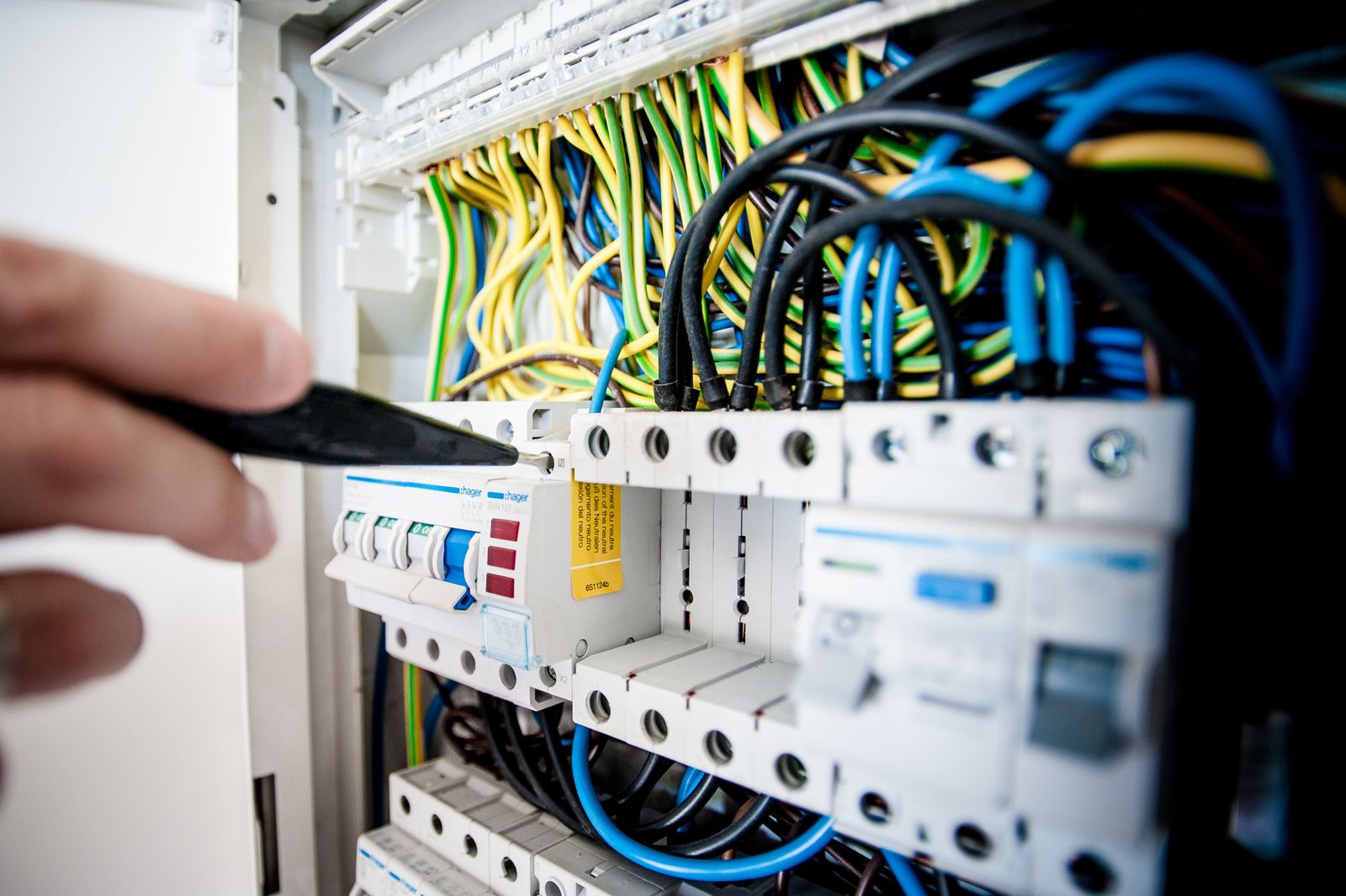
A Sydney switchboard is usually in the meter box on the front wall, in a garage cupboard, or in a stair well in a block of units. Before you decide it needs replacing, notice what is in it. Ceramic rewireable fuses, a row of unlabelled breakers, or a modern board with safety switches and spare ways are three different jobs.
If the board still uses fuse wire, or the surround is brown Bakelite, treat it as overdue for a conversation. If it is a circuit-breaker board with no residual current devices on the power circuits, it may be working and still not be what you would want in a house with children, renters or a lot of portable appliances.
What is actually wrong with older Sydney boards
Inner West terraces, Eastern Suburbs semis and a lot of Penrith and Shire fibro still have boards sized for a house that had one heater, a kettle and a television. Today's load is induction, air conditioning, a home office, a dryer and often a car that wants to charge overnight. The board runs out of ways, the incoming supply is tight, and the first sign is a breaker that trips when two rooms are used at once.
The other regulars are missing safety switches, labels that were never written, and meter boxes that have spent forty summers on a west-facing wall. Heat, corrosion and loose connections do more damage than most people see from the footpath. Asbestos sheet behind or around the board is common on mid-century homes. That is not a DIY lid-off job.
- Rewireable fuses or Bakelite surrounds: plan a replacement, do not keep restuffing wire.
- Breakers but no safety switches on power circuits: protection is the gap, not always a full board.
- No spare ways and a renovation coming: the board will become the constraint.
- Warm fascia, burning smell, or scorch marks: isolate if you can and call. That is not a 'monitor it' fault.
Signs you should stop resetting and call
A breaker that trips once after a storm or a failed kettle is information. A breaker that trips every afternoon, a fuse you have rewired twice this month, or lights that dip when the oven comes on are the board and the circuits telling you they are at the edge.
Call the same day if you can smell burning plastic at the box, if the main switch feels warm, if a safety switch will not reset, or if part of the house is dead and the remaining circuits are carrying more than they should. Do not hold an RCD in. Do not replace fuse wire with a heavier gauge. Both of those turn a protection device into decoration.
If you are in a strata block, the main board and the meters are often common property. Tell the building manager as well as an electrician. A unit switchboard inside the apartment is usually yours.
What a replacement actually involves
A licensed electrician isolates the supply, removes the old gear, and fits a new enclosure and circuit protection that matches the load and the incoming service. In NSW that work is done to AS/NZS 3000. Safety switches go on the circuits that should have them. Every way is labelled. Spare capacity is left if the enclosure allows it.
On a lot of Sydney houses the meter and the private board share a box. The electrician may need the network or meter provider involved if the service head, the meter panel or the main fuse has to move. That is why a honest quote includes a look at the box before anyone promises a half-day job.
Asbestos around the board is assessed before it is disturbed. If the sheet has to come out, that is a controlled job, not a bonus line sprung after the lid is off. Ask what happens to the old enclosure and whether the new board will still close against weather on a west wall.
When the board can stay
Not every crowded board needs a full replacement. Sometimes the honest answer is a safety switch added to the power circuits, a couple of new ways if the enclosure has room, or a dedicated circuit for the induction hob or the charger so the rest of the house stops tripping. Sometimes the existing breakers are fine and the fault is a failing appliance.
Ask to see what is in the box and to hear which of those options you are actually looking at. A Sydney electrician who works these suburbs should be able to tell you whether you have a protection problem, a capacity problem, or a board that is simply finished, and which of those is worth spending money on.